Q: Why is painting by numbers good for kids?
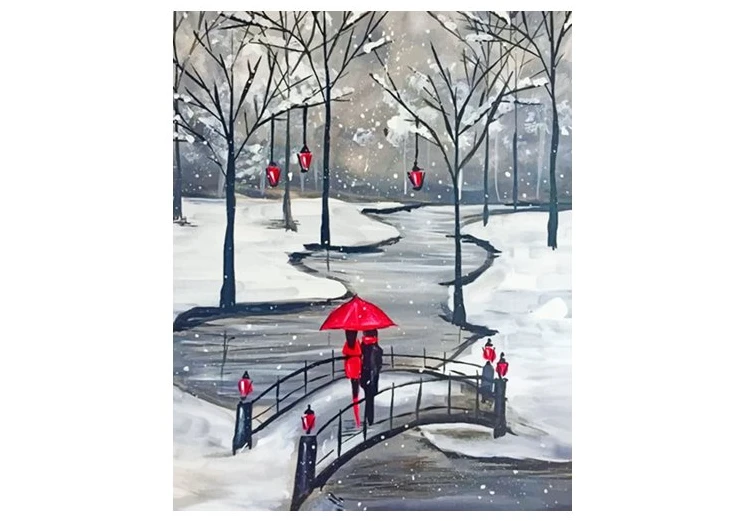
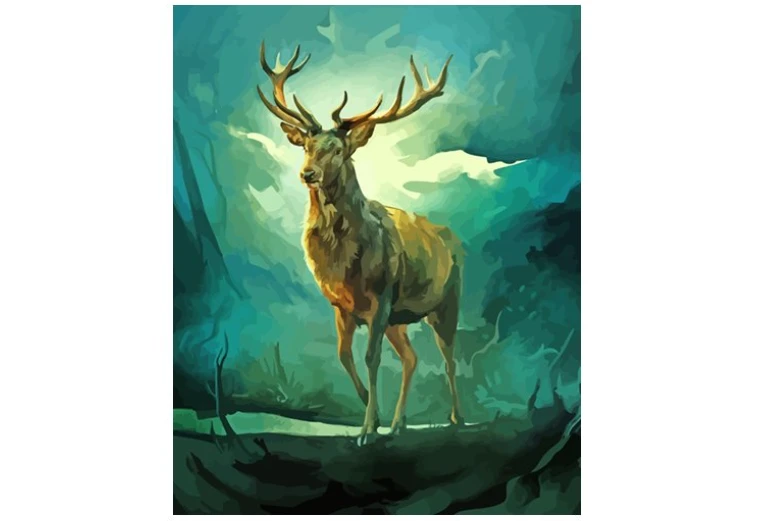
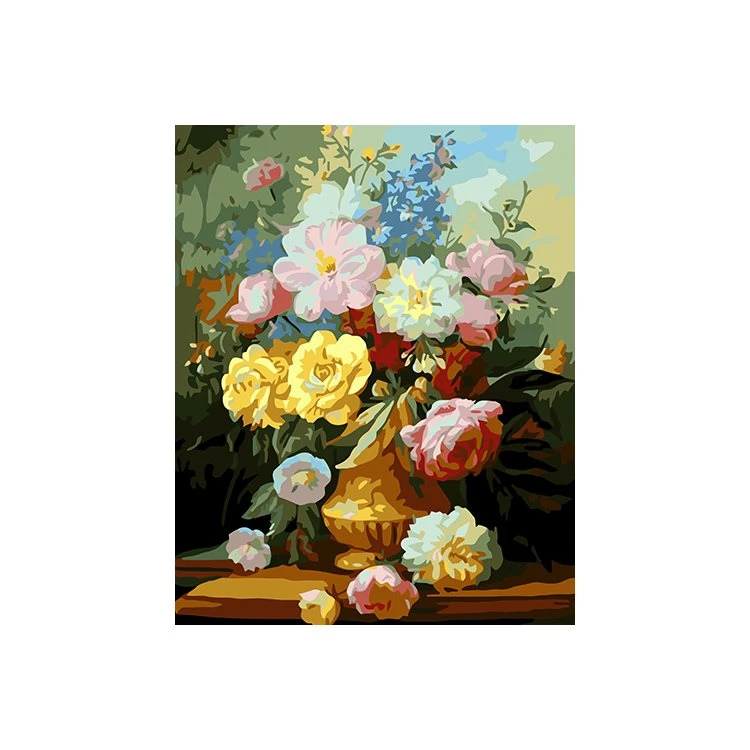
A: It helps develop intellectual skills and promotes concentration. It also helps to develop creativity and a sense of orderliness. Paint by Numbers is undeniably an ideal way to learn painting. It helps to develop motor skills in children and strengthen them in adults.
Q: What does painting help kids with?
A: Painting is a way for children to do many important things: convey ideas, express emotion, use their senses, explore color, explore process and outcomes, and create aesthetically pleasing works and experiences.
Q: Why is paint by numbers fun?
A: Relax. One of the primary emotional benefits of a Painting by Numbers is relaxation. The process of painting can be meditative and calming, which can help reduce stress and anxiety. When you focus on the painting, you can clear your mind and let go of any worries or distractions.
Q: How does painting affect a child's mindset?
A: Painting helps children develop their decision-making skills. They need to plan ahead as they choose which color should be used for different parts of the painting. Painting can play the role of therapy for a child who might be feeling different emotions; whether these feelings are subtle or extreme in nature.
Q: How does painting help a child socially?
A: Painting can even give children an outlet to share emotions, feelings and ideas with each other from an early age, learning valuable skills such as taking turns, sharing responsibility and of course, teamwork.
Q: How does painting stimulate a child's brain?
A: Visual art learning happens through direct sensory interactions which stimulate learning in different ways than visual and audio learning. These sensory experiences can help young students learn more, better understand different ideas and concepts, and art-making stimulates kids' brain development.
Q: Can kids do paint by numbers?
A: Using art activities like Paint By Numbers to build self-esteem in kids is a great way to help children get through hard times. Evidence shows that encouraging children to be creative early in life can help them be more resourceful and resilient when faced with barriers or obstacles in adult life.
Q: What do children's drawings tell us?
A: They express their fears, joys, dreams, pain etc through drawings, and also give you leads about their relationship to the world and to other things. Drawing is an outlet for communication and children's artwork represents a view of their personality.
Q: Why do kids draw with crayons?
A: They are a child's way of writing her thoughts. Drawing and scribbling are the first steps in using the skills children will need later for writing. Set out lots of paper, pencils, crayons, and markers so children can draw or scribble whenever they want.
Q: What skills are developed in children by painting?
A: Painting is fun and can be a learning avenue for toddlers. During painting, some things toddlers learn are visual expression, spatial intelligence, and colour recognition. Also, toddlers can develop their creative prowess and motor skills when they paint often.
Q: What values can a child develop through art?
A: Art helps children to develop a sense of their own individuality, a sense of self-respect, and an appreciation for others' work. As children use scissors to cut, fingers to finger paint, or weave yarn with fingers, they are improving control of the small muscles in their hands.
Q: How does art help children emotionally?
A: The benefits of art therapy have been seen in people of all ages, helping to improve communication and concentration, as well as reduce feelings of isolation. Art therapy has also been shown to lead to increased self-esteem, confidence, and self-awareness.
Q: How does painting develop cognitive skills?
A: Painting improves memory retrieval capabilities, and with logical imagination and execution, it helps to sharpen the mind. Individuals who often use artistic activities like writing poetry, painting, and drawing are less likely to experience memory-loss problems as they age.
Q: What do the colors mean in children's drawings?
A: Red might be an expression of anger, and black might be linked with sadness and depression. If the art showcases a wide range of colors, your child is, most likely, happy and excited. Bright colors reflect cheerfulness, and dark colors usually reflect sadness.
A: Art can help children learn and practice skills like patterning and cause and effect (i.e., “If I push very hard with a crayon the color is darker.”). They can also practice critical thinking skills by making a mental plan or picture of what they intend to create and following through on their plan.
Q: How does painting develop social skills?
A: Whether it's a group painting or a class performance, children must learn to work together and share ideas. This can help them develop valuable skills such as communication, compromise, and problem-solving. By working collaboratively, children learn to appreciate different perspectives and develop empathy for others.
Q: How does painting help a child emotionally?
A: Emotional Development
Painting allows children to explore emotions and find safe ways of expressing them. Learning to express yourself and having such efforts valued can do wonders for self-esteem. Additionally, painting is a great way to relieve the stress of such emotions.
Q: What do children's drawings tell us?
A: They express their fears, joys, dreams, pain etc through drawings, and also give you leads about their relationship to the world and to other things. Drawing is an outlet for communication and children's artwork represents a view of their personality.
Q: How do kids express their creativity?
A: Being creative is more than drawing or painting. There's also photography, music, field trips, working with wire, clay, paper, wood, water or shadows. The possibilities are endless. It's important to provide children lots of time to explore materials and pursue their ideas.
Q: How do kids express their creativity?
A: Being creative is more than drawing or painting. There's also photography, music, field trips, working with wire, clay, paper, wood, water or shadows. The possibilities are endless. It's important to provide children lots of time to explore materials and pursue their ideas.